Experiences ·
How to plan an influencer event: a guide for brands
How to plan an influencer event: set the goal, build the guest list, pick the occasion and programme, agree on content and settle the legal points first.
By Ugur Akbaba, Founder of LYN The Agency
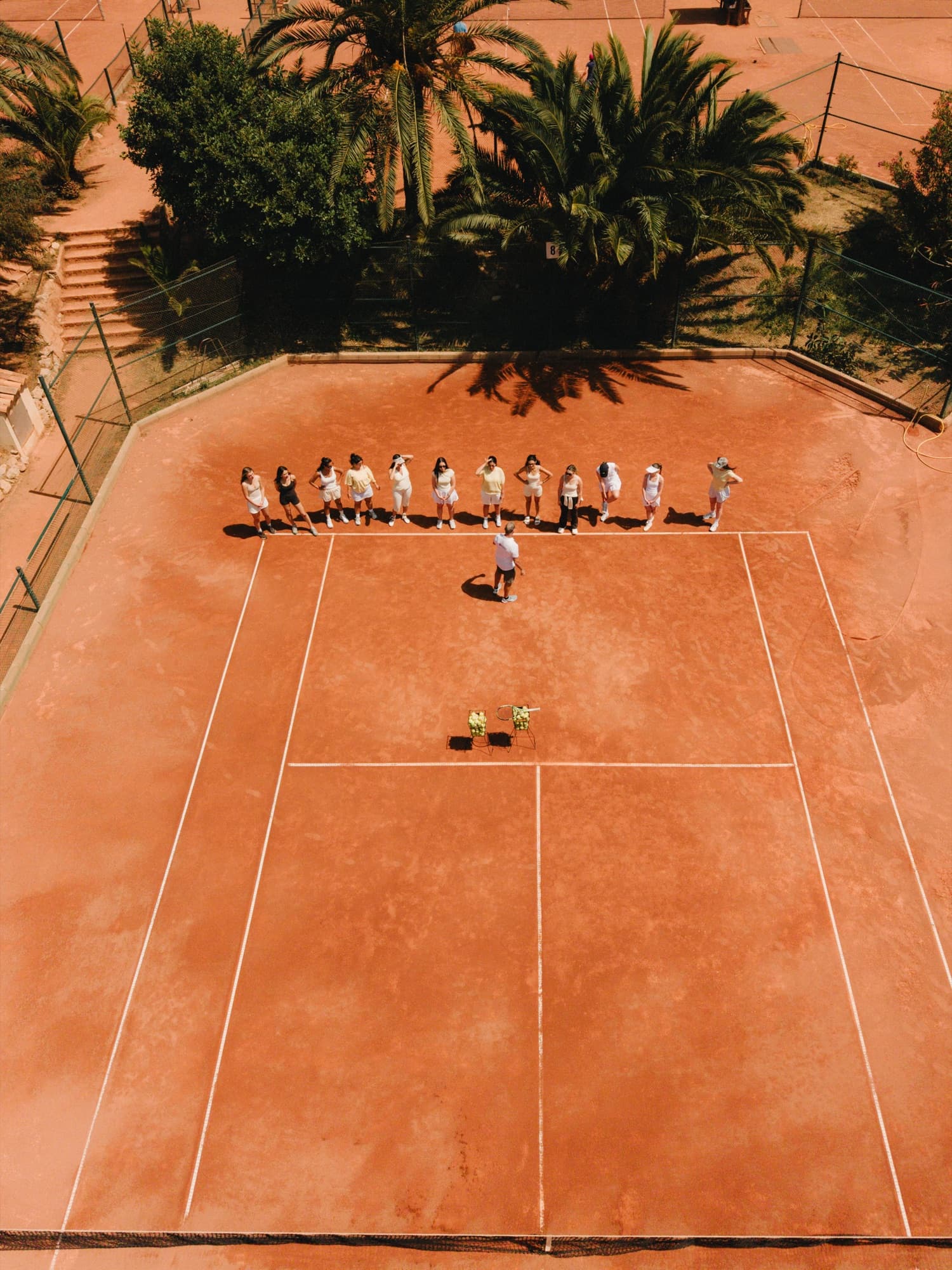
An influencer event is an evening or a day where a brand invites creators in person so they can experience a product, meet the people behind it and share what they saw. Whether it works is decided long before the night itself: by the goal, the guest list, the occasion and what you agree on content.
We plan these events for brands and with the creators we manage. This guide walks through the process from first idea to the debrief, the mistakes we see most often and the legal points to settle beforehand.
What an influencer event is, and what it isn't
An influencer event is not a press conference with phones. Creators don't show up to film a slide deck. They come because the evening offers something they would enjoy anyway and want to show their audience.
Formats vary a lot:
- Launch dinner: a new product introduced in a setting that suits it, often around a long table.
- Creator as host: a creator invites guests together with a brand, and the brand stays in the background.
- Getting ready before something bigger: creators do hair and makeup with the brand's products before a concert or a premiere.
- Workshop or masterclass: a small format where guests learn or try something hands on.
- Networking night: a get together with no posting required, where relationships come first.
Trips that run over several days are a different job with different logistics. This guide is about events that happen in a single evening or day.
Step 1: Decide what the event is for
Before you look at venues, write one sentence: what should be different after the event? Everything else follows from that answer.
| Goal | What it means for planning |
|---|---|
| Visibility for a launch | More guests, clear content agreements, product at the centre |
| Relationships with creators | Small group, plenty of time to talk, no posting obligation |
| Explaining a product | Workshop format, product experts from your team in the room |
| Content for your own channels | A photographer or videographer, usage rights agreed |
| Positioning in a new space | A venue and guests that already belong to that space |
An event can serve more than one goal, but one should lead. If you want maximum reach, deep conversations and polished campaign assets all at once, you usually end up with a bit too little of each.
Step 2: Invite the right creators
The guest list matters more than anything else. We've seen evenings in plain rooms do more than elaborate productions, simply because every guest genuinely fit the brand.
When you choose guests, look at:
- Brand fit: would this creator feature your product without being invited? Does their style suit your brand?
- Audience: who follows them, how old, where from? Follower count on its own tells you very little.
- Mix: creators who know each other relax faster. A few new faces bring fresh perspectives.
- Group size: the more personal the goal, the smaller the group. A dinner works best with a group that fits around one table.
Expect some people to say no. Creators have full calendars, especially in busy months. Invite early, put the date, time, place and occasion in the very first message, and say plainly whether you expect content. It saves both sides awkward conversations later.
You can browse our creators and what they focus on in talents.
Step 3: The occasion and the venue
Creators get a lot of invitations. Whether they come depends on the occasion. "We're presenting our new product" rarely does it on its own. An occasion that fits the brand and gives guests something real works better.
A few examples from our experiences:
- At the Bad Bunny Night, our creators got ready for the concert in a beauty suite with Dyson and MERIT. The products were part of the evening, not the backdrop.
- For Tara × Max Factor, Tara hosted an evening built around a mascara, with a set table and guests from the beauty world.
- At LYN Summer Closing, we invited creators and brand partners with no content plan and no brief, simply to meet in person.
The venue should suit the brand and give you good light for photos and video. How easy it is to get to matters just as much. A place that looks great but means a long journey for half your guests will cost you acceptances. Also check whether you are allowed to photograph and film there, and whether other guests will be around.
Step 4: The programme
A good programme has shape but leaves room to breathe. Creators want moments to experience, not a schedule to get through.
A running order that works well for an evening:
- Arrival: a drink, a short welcome, time to look around. This is where the first stories get posted.
- The brand moment: one short, clear segment about the product. Something to try works better than a long speech.
- Time together: dinner, a workshop or an activity. This is where the real conversations happen.
- Wrap up: a gift to take home and a personal goodbye from your team.
Plan a few moments that look good on camera: a dressed table, a spot to try the products, a detail people want to photograph. Skip the branded photo wall where everyone takes the same picture. Content gets better when each creator shows the evening their own way.
Your team should be there, and it should be the people who actually know the product. Creators value talking directly to product development or marketing rather than only to an event company.
Step 5: Agree on content
This is where most misunderstandings start. Put in writing before the event what you expect. There are roughly two models.
Invitation with no content obligation
You invite, and creators decide for themselves whether and what to post. This fits networking nights and events where relationships are the point. Many creators happily share a good evening anyway. Just don't count on it, and don't plan around reach nobody has promised.
Paid partnership tied to the event
You agree on specific content, for example a set number of stories on the night and a post afterwards. Then the usual terms of any partnership apply: fee, formats, timing, approvals and usage rights. Our guide to influencer contracts covers how to put that on paper. A short brief still helps, as long as it doesn't script every line. You'll find a template in our guide to the influencer brief.
A mix is common: a host or a small group is paid for agreed content, and the other guests come with no obligation. Tell every guest clearly which role they are invited in.
Legal points to settle first
These notes are based on German law. Rules in other countries differ.
Ad disclosure. If a creator posts about an event a brand invited them to, the content usually has to be labelled as advertising when they received something in return. That can include the invitation itself, food and drink, and gifts. German law requires the commercial purpose to be recognisable (§ 5a(4) UWG). Our guide on disclosing ads as an influencer goes into detail.
Photos of guests. If you want to publish photos or video from the event on your own channels, you generally need consent from anyone who can be recognised (§ 22 KUG). Let guests know in advance that there will be a photographer, and get written consent if you plan to use images in advertising.
Usage rights. Content creators make on the night does not automatically belong to you. If you want to use it in ads or on your website, you need agreed usage rights (§ 31 UrhG). The same goes for images from a photographer you hire.
This section is not legal advice. For your specific case, speak to a lawyer.
What an influencer event costs
There is no standard price. Costs depend on a handful of factors:
- Venue hire and any minimum spend
- Food and drink
- Decor, flowers and styling
- A photographer or videographer
- Guests' travel and, where needed, accommodation
- Gifts for guests
- Creator fees, if content is agreed
- Planning and on site management
One cost is easy to underestimate: your team's time. Whoever is hosting can't also be chasing drinks orders and fixing the sound system. Plan for enough hands.
After the event
The most useful work often starts the morning after.
Say thank you and follow up
Message every guest personally the next day. Keep it short and genuine, and don't ask for posts. If you hit it off with a creator, that conversation can turn into a partnership. Plenty of long term collaborations start exactly this way.
Collect the content
Save stories before they disappear after 24 hours. For agreed content, ask for screenshots of the insights. And confirm which images you are allowed to use.
Measure against your goal
Judge the event by the goal from step 1. For a launch, reach and engagement on the content matter. For a networking night, what matters is which creators you go on to work with. Our guide to influencer marketing KPIs covers which numbers are worth tracking.
Common mistakes
Most of the problems we see at events come up again and again:
- The programme is so packed that nobody has time to talk.
- Nobody said whether posting was expected. Guests are unsure, and the brand is disappointed afterwards.
- The guest list was built on follower counts. That gets you posts, rarely impact.
- The invitation goes out too late and the right creators already have plans.
- Nobody gets in touch after the night, so a good connection never turns into a partnership.
Checklist: planning an influencer event
- Pick one goal to lead
- Choose a format that serves it
- Build the guest list on brand fit and audience
- Set the date and invite early
- Decide on occasion and venue, check photo and filming permission
- Plan a programme with a brand moment and free time
- Put content expectations in writing
- Sort out disclosure, consent and usage rights
- Assign your team for the night
- Afterwards, say thanks, save the content and measure
FAQ
How many creators should you invite to an influencer event?
It depends on the goal. For conversations and relationships, a small group that fits around one table works well. For launch visibility you can go bigger. More important than the number is that every guest fits the brand.
Do creators have to post after an event?
Only if that was agreed. With a plain invitation, creators decide for themselves. If you expect specific content, that is a paid partnership with a fee and a contract.
How far ahead should you send invitations?
As early as you can, with date, time, place and occasion. Creators often plan weeks ahead, and in busy months many invitations compete for the same evenings.
Does content from an event need to be labelled as an ad?
Usually yes, if the creator received something in return. That includes a fee, and often an invitation, hospitality or gifts as well. If in doubt, get legal advice.
Can we plan our event with an agency?
Yes. An agency that works with creators knows the guests, what they expect and how full their calendars are. It can handle selection, invitations, agreements and looking after guests on the night.
Influencer events with LYN
Events are part of our everyday work. We host our own evenings and trips for the creators we manage, and we plan events with brands from the guest list to the follow up. Our experiences and our piece on brand experiences and creator trips show what that can look like. What we do for brands is on our brands page. If you already have an idea, send us an event request.
Campaign or management?
A short message is enough. We reply within two working days.